Monday, 3 December 2018

Cirratulus cirratus

Cirratulus cirratus has a long, slender, orange, pinkish or brownish-red body, with 75 to 130 segments, and can reach 12 cm in length. The head is a blunt cone with a row of 4 to 8 large black eyes either side that may meet on top of the head. There are two groups of up to 8 feeding tentacles on the first segment. Pairs of long slender gills arise at intervals from the whole length of the body and these appear as a mass of reddish threads when the worm is buried.
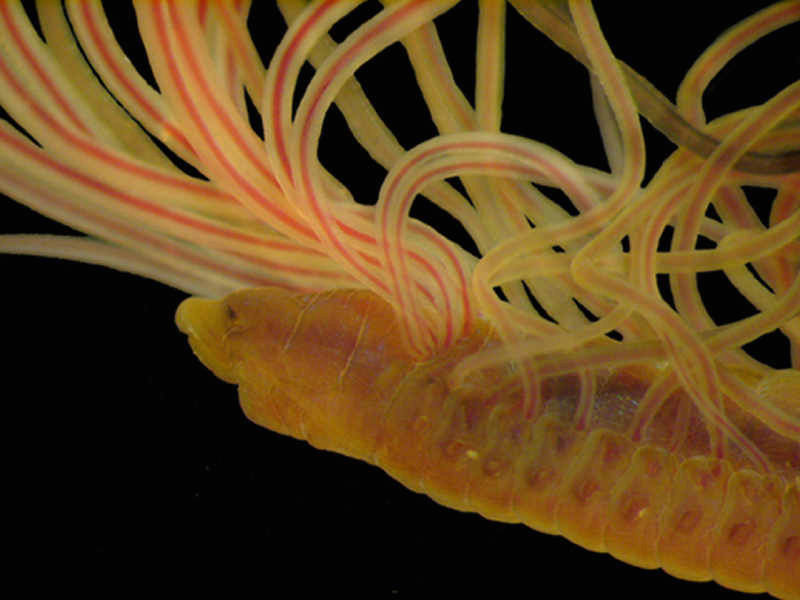
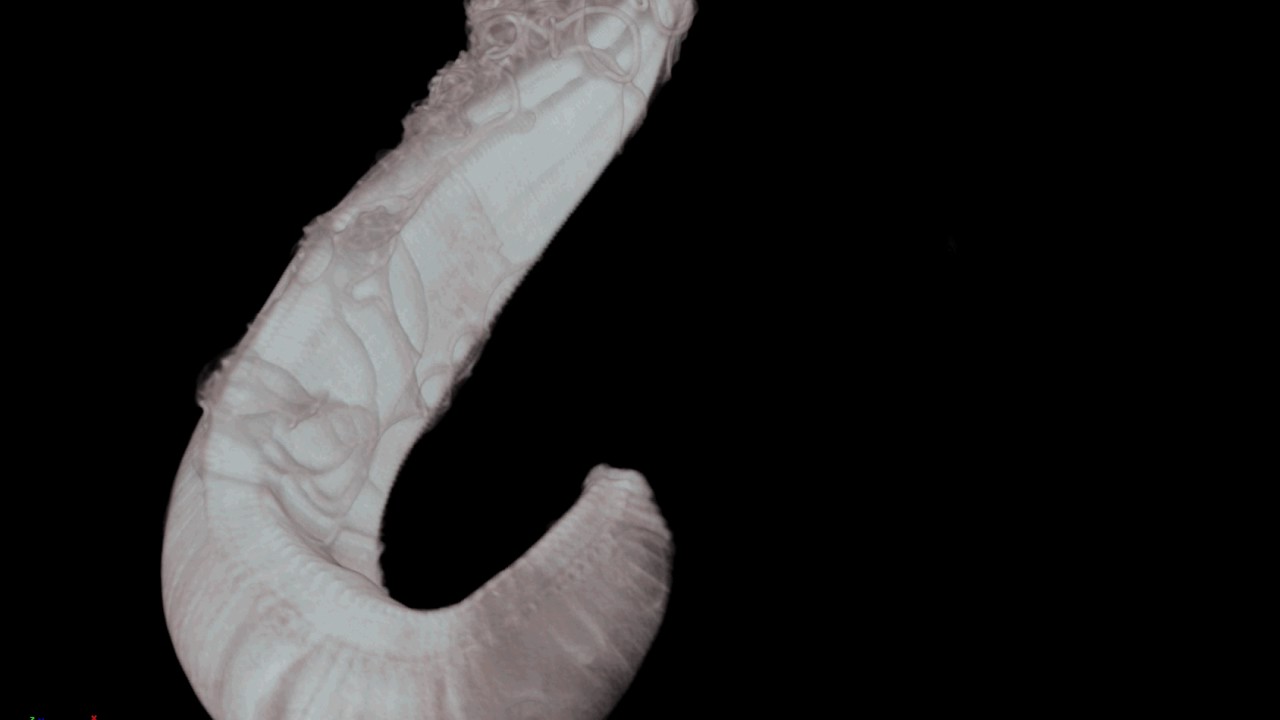
Image result for cirratulus cirratus

In Northumberland it is the dominant crevice organism on rocky shores between low and high water neaps. Cirratulus cirratus has been described as an opportunistic deposit feeder that is characteristic of areas of organic enrichment. Cirratulus cirratus is mostly intertidal but is sometimes found subtidally (up to 50 m depth off the Devon coast).

Image result for cirratulus cirratus

hylumAnnelida
ClassPolychaeta
OrderTerebellida
FamilyCirratulidae
Genus


Cirratulus


Monday, 26 November 2018

Keynote Speech

Pulsus Group is glad to have a Keynote speech on "Status of Squat Lobster Off Pearl Coast of Gulf of Mannar, India" by Dr. Vaitheeswaran Thiruvengadam from St, Bapist University, Malawi.

Join us at Dublin for an enchanting event...


Tuesday, 20 November 2018

Sea Butterfly

Thecosomata are sea snails about the size of a lentil, with shells so thin that they are virtually transparent. Rather than sliding on the seabed, their foot has evolved into a pair of thin ‘wings’ that flap through the water. 

Image result for thecosomata

Sea snails mostly swim upside down because their body and shell is heavier and hangs down from the wings. They are herbivores, feeding on phytoplankton, but they catch their food in webs, like spiders. These webs are made from strands of mucus that can extend out as far as five centimetres (two inches) from the sea butterfly. They are preyed on by a kind of swimming sea slug called a sea angel.


Monday, 19 November 2018

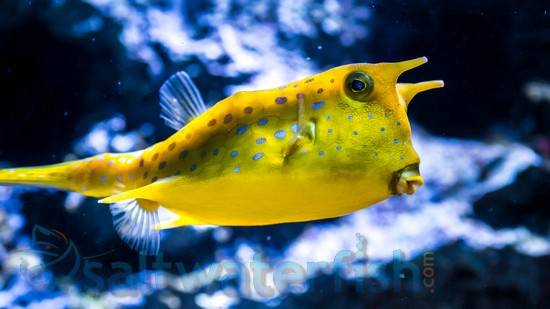
Lactoria cornuta

The Cowfish makes a very unique addition to any marine aquarium however if it becomes stressed the Cowfish will release a poisonous toxin from their skin called Ostracitoxin which is toxic to other Cowfish.
  • Size: Up to 40cm
  • Diet / Feeding: Brine Shrimp, Worms, Frozen Food
  • Habitat: Reef and rock dwellers
  • Behaviour: If disturbed or stressed will release a toxic chemical from their skin
  • Range: Red Sea, Pacific Ocean and Indian Ocean
The males and females of many fish species have different colors or different shaped bodies. But there are also other fish species where there is no visible difference.

Image result for cowfish images

Thursday, 15 November 2018

Parexocoetus brachypterus

The sailfin flyingfish is a member of the flying fish family. It is known for its ability to leap out of the water and glide above its surface. Its distribution range encompasses the AtlanticIndian, and Pacific Oceans. It is an epipelagic fish and can be found in coastal waters but is rarely encountered in open oceans. They are known to spawn during September to April in the waters near Barbados and Puerto Rico. Appearance wise, the sailfin flyingfish is known to have a robust build, blunt snout, short pectoral fins and having a long dorsal fin


P. brachypterus is not known as an important food fish and is merely considered as bycatch by the fishing industry However, like other flying fishes, they can be prepared as salted fish by salting them and leaving them to dry out in the sun.

Friday, 9 November 2018

Media Partners

“Unity is Strength..Where there is team Work and

Collaboration wonderful things can be achieved..”

World Congress on Recent Advances in Aquaculture Research & Fisheries
Aquaculture Research 2019 at Dublin, Ireland on June 10-11, 2019.

Thursday, 25 October 2018

Rhinomuraena quaesita

The ribbon eel (Rhinomuraena quaesita) or Bernis eel, is a species of moray eel, the only member of the genus Rhinomuraena.They are usually seen with only their heads protruding from holes in reefs, amongst coral rubble on coastal reef slopes or in sand and mud of lagoons.


Kingdom: Animalia
Phylum: Chordata
Class: Actinopterygii
Order: Anguilliformes
Family: Muraenidae
Genus: Rhinomuraena
Species: R. quaesita

Ribbon eels are carnivores, preying on small fish and other marine creatures. They can attract their prey with their flared nostrils and then clamp down on them with their strong jaws and retreat into their burrows.


The ribbon eel is the only moray eel that is protandric, which means that they can change from a male to female (protandry) should it become necessary for survival of the species in their area. As the adult male reaches full size (approximately 1 metre), it begins to turn into a female, and turns yellow. It will then mate, lay eggs, and die within about a month. Due to this short lifespan, female ribbon eels are a relatively rare sight.